
Skyline University Nigeria

Are Electric Vehicles Really Green?

Electric vehicles, also known as EVs, are increasingly being promoted as the environmentally responsible alternative to conventional gasoline-powered automobiles. At the exhaust pipe, they produce zero emissions, which means that none of the airborne contaminants that are hazardous to our health is emitted. On the other hand, many believe that the manufacturing and disposal of electric vehicles can be just as harmful to the environment as gasoline-powered vehicles. So, do electric cars truly help the environment? When it comes to emissions produced while in operation, electric vehicles are unquestionably more environmentally friendly than gasoline-powered automobiles. Even when taking into account the emissions from power plants that generate the electricity that is used to charge electric vehicles, the Union of Concerned Scientists reports that electric vehicles still produce fewer emissions that contribute to global warming than gasoline-powered vehicles do in the majority of areas of the United States. This is because electric vehicles are superior to gasoline-powered automobiles in terms of their energy efficiency and the production of electricity is getting cleaner as a result of the shift toward the use of renewable energy sources. In addition to producing less pollution, electric vehicles come with a host of other advantages. They have the potential to lower air pollution levels, bolster energy security, and lessen reliance on oil. In addition, they have fewer operating expenses, are typically quieter, and are easier to operate smoothly. Also, as technology continues to advance, the price of electric vehicles is decreasing, making them more reasonable and available to a wider variety of customers.     Yet, the environmental impact of EVs is not limited to the use of the vehicles themselves. The assembly of electric vehicles demands a substantial amount of energy, in particular for the fabrication of the batteries that power the vehicles. The extraction and processing of the elements required to make the battery, such as lithium and cobalt, can also have an adverse effect on the environment and the community. These repercussions include the consumption of water and land, the creation of pollution, and the violation of human rights in certain mining communities. For instance, lithium mining in the Salar de Atacama region of Chile has been connected to a lack of available water, the degradation of the soil, and damage to the ecosystems of the surrounding area. Concerns have been raised regarding the use of child labour and other violations of human rights in the Democratic Republic of the Congo, which is the location of the majority of the world’s cobalt mines. The recycling of electric vehicles is another source of environmental strain. Even while it is possible to recycle the batteries used in electric vehicles, the process is not currently commercially viable; therefore, most batteries wind up in landfills. These batteries have the potential to leach harmful chemicals into the surrounding soil as well as the groundwater, which poses a risk to both human and environmental health. The advantages of electric vehicles continue to exceed their disadvantages, notwithstanding the environmental concerns that have been raised. Both the manufacturing of electric vehicles and their eventual disposal will become more environmentally friendly as technological advancements are made. For instance, manufacturers are looking into ways to cut back on the usage of rare and expensive metals in batteries, and they are also inventing recycling processes that are both more efficient and more environmentally friendly. In addition, governments have a significant part to play in encouraging the use of electric vehicles and assisting in the development of environmentally responsible production and disposal procedures. They can, for instance, provide financial incentives for the purchase of electric vehicles, invest in infrastructure for charging, and control the usage of materials that are harmful to the environment. Customers can also make a difference by selecting to buy electric vehicles and disposing of their batteries in an eco-friendly manner if they so want. Companies can also support legislation that promotes environmental responsibility and encourage environmental responsibility among businesses by encouraging manufacturers to emphasize sustainability in their production processes. In conclusion, electric vehicles are a more environmentally friendly option than cars fueled by gasoline when it comes to the pollutants they produce while being driven. Despite this, their manufacture and disposal may nevertheless have unfavourable effects on the surrounding ecosystem. It is incumbent upon governments, automakers, and customers to collaborate to lessen the negative effects that electric vehicles have on the environment and transform them into a form of transportation that is really sustainable. References  Costa, C. M., Barbosa, J. C., Gonçalves, R., Castro, H., Del Campo, F. J., & Lanceros-Méndez, S. (2021). Recycling and environmental issues of lithium-ion batteries: Advances, challenges and opportunities. Energy Storage Materials, 37, 433-465. Lorca, M., Andrade, M. O., Escosteguy, M., Köppel, J., Scoville-Simonds, M., & Hufty, M. (2022). Mining indigenous territories: Consensus, tensions and ambivalences in the Salar de Atacama. The Extractive Industries and Society, 9, 101047. Banza Lubaba Nkulu, C., Casas, L., Haufroid, V., De Putter, T., Saenen, N. D., Kayembe-Kitenge, T. & Nemery, B. (2018). Sustainability of artisanal mining of cobalt in DR Congo.Sustainabilitynability, 1(9), 495-504. Rahman, A., Afroz, R., & Safrin, M. (2017). Recycling and Disposal of Lithium Battery: Economic and Environmental Approach. IIUM Engineering Journal, 18(2), 238-252.   Agada Apeh Andrew is a Lecturer II at the Department of Mathematical Sciences, School of Sciences and Information Technology at the Skyline University Kano, Nigeria. He obtained his BSc in Mathematics from Benue State University, Makurdi and MSc in Mathematics from the Modibbo Adama University of Technology, Yola. You can join the conversation on facebook @SkylineUniversityNG and on twitter @SkylineUNigeria

Are Electric Vehicles Really Green? Read More »

Study Skills for Higher Education Students

University life ushers youths into a new world of endless opportunities, thoughts and a myriad of ideas. University education and learning are advanced and an upgrade from secondary education. Unlike secondary or high schools that are preparing grounds for future challenges, the tertiary system focuses on knowledge production through research and creative learning. Exposure to these new ideas and thoughts or scholarship demands careful crafts of effective studying and learning. This is one of the biggest challenges faced by newbies in the system. Keeping pace with new styles of learning makes it intensely for a large number of students to get good grades in their first year of study. Apart from consistent attendance in class, styles of studying play the most role in enabling students to have positive results. There is always a depth attached to new knowledge imparted to the students in the university and the same depth, is required from them during tests, class presentations and examinations. Some important basic skills that come in handy for starters include research, communication and thinking skills. The reason why these are essential is to allow newbies to have a solid foundation in whatever discipline or career path they have chosen. With a firm footing, it will be easy for students to navigate around the academic system with minimum difficulty. For research skills, students are preferably expected to search for additional information by finding the information, reading books, taking and making notes and sorting information. Thinking skills creatively complement research as it tests understanding, memory skills and how fast you can process information to come up with your own similar thoughts – processing information is also known as critical thinking skills. Communication skills are very vital. After rigorous research, readings and understanding aided by critical thinking, next is to communicate the new knowledge in either written or oral form. Students who master the art of connecting ideas and communicating them in written formats are likely to excel in their examinations. When coupled with the ability to make excellent presentations in class, their results are awesome. All these if harnessed can collectively and effectively guide learning for students in higher education institutes, with exciting and memorable experiences.

Study Skills for Higher Education Students Read More »

Journaling for Higher Education Students

The academic environment is a whole new level of life experience for youths. It is largely driven by the production of new knowledge and information. Thus, students are regularly provided with new ideas and are always expected to consolidate them concisely. So, journaling serves as a key to harmonizing those bountiful ideas into something stunning and advantageous.   Journaling not only serves as a way by which students explore their potential but is also very therapeutic. As a student, it is an excellent way of testing your understanding of new concepts, ability to recall and effectiveness in managing ideas. Then, it allows you to manage stress somewhat similar to an emotional repair.  With journaling, students can personally test their skills in sorting tons of information that was said during lectures, group discussions and class presentations. They are also able to experiment with their critical thinking skills based on academic engagements. This process is highly essential for improving understanding and educational success in higher education.  Universities, Colleges, Polytechnics and other higher institutions, usually adopt formal ways of testing to assess the aptitudes of students using tests, presentations, assignments, and exams. The importance of different kinds of assessments is that it allows students’ performance to be analyzed. For students, journaling can aid in the individual assessment of performance.  Journaling has proven to be an effective strategy for organizing a study schedule. As students plan ways to achieve a higher grade, writing out goals and a studying timetable are very important. Carefully get a notepad and scribble down your reading pattern and reading timetable. It also helps you to remain focus and avoid mistakes during class assessment and examinations.  Anticipations in higher education institutions are very demanding. Apart from class lectures, students are expected to continuously search for additional information from other sources such as books and especially, the internet – both online and offline.  To sort the multitude of information, journaling assists students in lessening the stress of doing that. Students can also use trends in journaling using smartphones and tablets which have jotting provisions embedded in them. 

Journaling for Higher Education Students Read More »

Tackling Micro-plastic pollution with Microbes

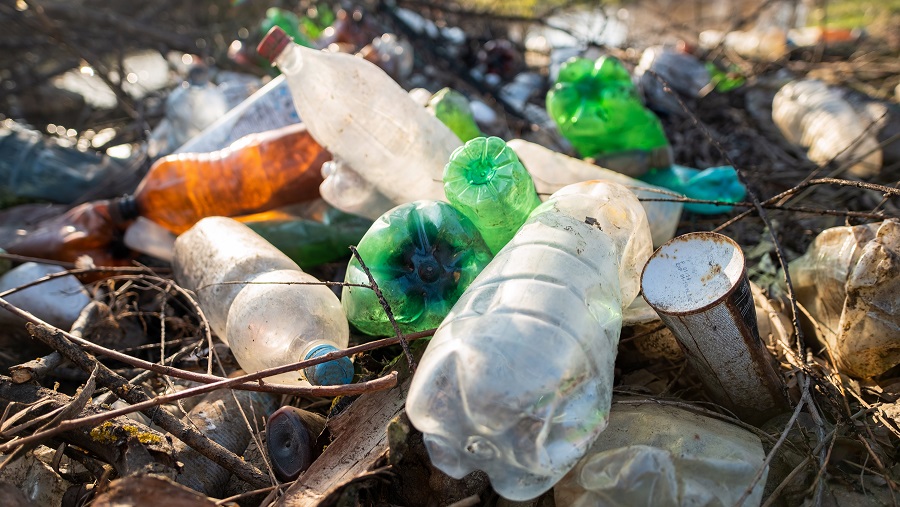
It is now well known that plastic pollution has become a global scourge. However, the real concern is that of micro and nano-plastic pollution that can cause substantial health ailments. According to National Oceanic and Atmospheric Administration (NOAA) and the European Chemicals Agency (ECA), fragments of plastic of 5 mm in size or less are considered ‘Micro-plastics’. They are plastic debris of extremely small size, which is a real headache for environmental scientists as it has now entered our food chain. Experimental studies conducted with micro-plastic have shown that it causes extensive cell damage, allergic reaction and cell death. Constant human exposure to microplastic can result in DNA damage, and inflammation, and can cause serious health problems. A recent study revealed that microplastic was detected in 80% of 22 anonymous human blood samples tested. As microplastic is hard to gather and remove from the environment that resulted in a very slow clearance speed as compared to the speed at which it enters nature. It is still unclear how plastics break down and fragment in the environment. However, our general understanding is that they take a long time to decay. This is partially due to a lack of extensive research and techniques for estimating weathering time. To counter plastic pollution, various strategies like burning, dumping and reusing are carried out. Each of these techniques has its own advantages and disadvantages. Synthetic plastics mostly derived from petrochemicals are polymers which are very difficult to degrade naturally. Plastic pollution is traditionally thought to be an irreversible threat. As it can take hundreds or thousands of years for plastic to decompose. Recently, microbiologists have found a way to use microbes to trap microplastics, removing them from the environment and making them easier to recycle. There are mainly 4 mechanisms by which plastic can be degraded i.e., photodegradation, hydrolytic degradation, thermo-oxidative degradation and biodegradation. Biodegradation is a natural phenomenon in which the breakdown of organic matter is done by microorganisms, such as bacteria and fungi. In 2016, Japanese scientists isolated the bacteria Ideonella sakaiensis which can eat plastic from outside of an Osaka bottle factory. The bacterium Rhodococcus ruber was found to actually digest plastic. From that, many other bacterial species have now been identified that can degrade plastic. Serratia marcescens, Phormidium lucidum, Oscillatoria subbrevis, Enterobacter asburiae YT1 and Bacillus sp. YP1. Several bacterial species were found to assist in the process of biodegradation of plastic including Bacillus subtilis, Bacillus flexus, Pseudomonas stutzeri, Phanerocharte chrysosproium, and Engyodontium album. Aspergillus tubingensis, a soil fungus, has been identified that produces enzymes which can quickly degrade plastic materials. The fungus capable of degrading polyurethane (PU) plastics has been identified by Chinese researchers. Another rare fungus Pestalotiopsis microspore found in the Amazon rainforest was also shown to have the potential for plastic degradation.The accumulation of plastic particles in our environment is one of the main causes of pollution globally. Plastic pollution leads to severe impacts on various ecosystems and more importantly, it can adversely affect our health. Hence, neutralizing this pollution through biological means can be considered one of the important discoveries of the modern era. Though the bioremediation of plastic with microbes is still in its infancy; however, future research could definitely strengthen this area and could become an effective answer for plastic pollution.   References: Bacteria really eat plastic. Science Daily, January 2023. Cuffari, B. (2022). The Use of microbes in plastic biodegradation. Medical Life Sciences. Mellor, B. (2022). Tiny particles of plastic have been detected in human blood for the very first time. They can’t be filtered out. Fortune Magazine. Plastic eating fungus. Synergia Foundation. April 4, 2017. Tareen, A. Saeed, S. Iqbal, A. Batool, R., Jamil, N. (2022). Biodeterioration of microplastics: a promising step towards plastics waste management. 14, 2275. Yoshida, S., Hiraga, K., Takehana, T. A (2016) Bacterium that degrades and assimilates poly (ethylene terephthalate). Science; 351 (6278): 1196-1199.   Dr. Sanjoy Kumar Pal is a Professor of Biology in Skyline University Nigeria. He has a PhD. in Animal Genetics from Indian Veterinary Research Institute, India.

Tackling Micro-plastic pollution with Microbes Read More »

Skyline University Nigeria Receives Members of NUC on Assessment Visit

Prof. Ajith Kumar V.V. the Vice-chancellor of Skyline University Nigeria, received a delegation from the National University Commission (NUC) for a 2-day visit to assess the status of student support facilities and services in the institution. The visit is in line with the national standards for achieving excellence and quality education in Nigerian Higher Education Institutions. The Vice-Chancellor stated that the institution uses cutting-edge innovative facilities to provide the best quality education in teaching, research and learning and has offered, a wide range of courses for over five years since its establishment. He added that Skyline University Nigeria has collaborated with other universities, organizations, and hospitals among others, within and outside the country to deliver excellent services. It has also provided opportunities for lifelong learning to expand the horizon of students using world-standard equipment. As part of its mandate, the institution has carried out several community services such as offering scholarships and youth empowerment to more than 500 students. It commemorates internationally celebrated days and offers extra-curricular activities such as CEO Guest Lecture Series. While speaking, Baba Sale, a member of the NUC delegation said Skyline University Nigeria has achieved great transformation since its establishment. The NUC is hopeful that Skyline University Nigeria will follow suit with other Higher Education Institutions in Nigeria. The delegation toured the campus facilities and assessed students’ facilities and other services. They also visited the security room that controls about 365 CCTV cameras from the campus to the hostels. Prof. Ajith commended the efforts of the National Universities Commission on its relentless hard work to ensure a qualitative education is delivered for students as the world transforms rapidly. He reiterates the institution willing to grow by learning from others.  

Skyline University Nigeria Receives Members of NUC on Assessment Visit Read More »

Is setting Goals Crucial to One’s Success?

Do you ever wonder why the globally acknowledged Elon Musks’ continue to stay within the range of their counterparts? Well, a consistent goal definition and redefinition is just one of the many philosophies they embrace. Setting achievable goals are very crucial to one’s success. Whether on a short-term or long-term basis, goals are what determine your overall achievement in life. People always pursue distinct endeavours in their lives. For this, everyone follows a different pattern to his, her or even their success. It is possible that with the different patterns adopted, success is achieved at separate times. So, the successes might all be connected by a single theme – goals. It’s extremely hard to determine the most successful person on earth today mainly because success itself is largely relative. To some, success is being rich, to others, it is the ability to perform remarkably well and to other people, it may mean reaching certain levels in life – attaining high positions in career life. Hence, the true definition of success depends on one’s perception and life experiences.   However, it is easy to identify those who have exceeded the expectations of many within any type of social setting. These recognizable achievers are celebrated for their brilliant hard work and dedication to excel by following their goals. Simply put, they are goal-getters. They swiftly chase their dreams until they can grab them – that is what made them ahead. It is highly essential to redefine life goals. Demands, aspirations, expectations and realities are never static – they are always ever-evolving. As you passionately crave success, there is always a need to leave some space for or incorporate necessary elements that will support your goals or objectives. You cannot possibly escape developing realities in order to become successful. Trends and challenges are part of opportunities for appreciable growth. With an open mind, you can explore new developments and revamp your goals. Then, you would have a clear lane to success.

Is setting Goals Crucial to One’s Success? Read More »

COP 27: Climate Action, Finance and Global Progress

The Conference of Parties (COP) is an annual meeting where states that have consented to the United Nations Framework Convention on Climate Change (UNFCCC) gather, to discuss and negotiate international action on climate change. Last year’s COP 27 was held in Sham el-Sheikh, Egypt. It particularly focused on implementing the earlier adopted Paris Agreement, endorsed at COP 21 in 2015. The Paris agreement aims to limit carbon emissions and reduce global warming below 2 degrees Celsius above pre-industrial levels and also, to reduce and limit the earth’s temperature to below 1.5 degrees Celsius. COP 27 aimed to make progress towards achieving these earlier identified goals. The conference is significant for actors to align their vision for a safer world and enhance their decision-making towards achieving a climate-friendly environment.  As clearly put forward by Townend (2022), “COP 27 is a rare opportunity for parties and observers to come together and grapple with a challenge that is impacting all of humanity. Although the COP is taking place in the midst of a worldwide, poly-crisis”. He adds that, “climate action and cooperation can offer practical solutions for food, energy, nature, and security challenges as well as a crucial hub for international cooperation and discussion on these matters.” After several weeks of effort, considerable development was reached. There was the establishment of a fund for damage and loss responses for the most vulnerable nations i.e., developing countries. Ighobor (2022) used the recent floods in Pakistan and Nigeria to illustrate how this is a game-changer for venerable nations. In Nigeria, a lot of farms and homes were completely destroyed. Families were forced out of their homes by heavy floods. About 14,000 farms were destroyed and wiped off by heavy floods in Kano State. Of great importance, there was the adoption of a new global market mechanism. The new mechanism will allow countries to trade carbon credits, which represent emissions reductions achieved thr ough projects or actions that reduce greenhouse gas emissions. It is intended to encourage more significant emissions reductions by providing a financial incentive to countries and companies.  In summary, the conference saw progress in the negotiations around climate finance, with advanced economies committing to increasing their funding for climate action in developing countries. This funding is seen as essential to support the implementation of the Paris Agreement and to help developing countries transition to low-carbon economies. Overall, COP 27 is seen as a success in terms of making progress towards the goals of the Paris Agreement. However, many stakeholders also recognized that much more needs to be done to tackle the urgent and pressing issue of climate change. Hence, there is much anticipation for the upcoming COP 28 which will be held in in the United Arab Emirates (UAE), later this year.   References Ap. (2022, November 12). COP27: Un Climate Change Talks near halftime with key issues unresolved. Business Standard News. Retrieved February 17, 2023, from https://www.business-standard.com/article/current-affairs/cop27-un-climate-change-talks-near-halftime-with-key-issues-unresolved-122111201007_1.html Masood, E., Tollefson, J., & Irwin, A. (2022, November 21). COP27 climate talks: What succeeded, what failed and what’s next. Nature News. Retrieved February 17, 2023, from https://www.nature.com/articles/d41586-022-03807-0 Ruth Townend Research Fellow – Climate Risk and Diplomacy. (2022, November 2). What are the key issues at COP27? Chatham House – International Affairs Think Tank. Retrieved February 17, 2023, from https://www.chathamhouse.org/2022/08/what-cop27 United Nations. (n.d.). COP27 closes deal on loss and damage: ‘a step towards Justice’, says UN chief | UN news. United Nations. Retrieved February 17, 2023, from https://news.un.org/en/story/2022/11/1130832 You can join the conversation on facebook @SkylineUniversityNG and on twitter @SkylineUNigeria Mr.  Farid Iliyasu Illo is a Lecturer II of the Department of International Relations, Skyline University Nigeria. He holds a Master’s Degree in Strategic Studies from University Utara Malaysia (UUM) and a Bachelor of Arts in International Affairs Management.

COP 27: Climate Action, Finance and Global Progress Read More »

Escaping Self-Sabotage

Incredible ideas, beautiful thoughts and life-changing opportunities can all be dashed with a single emotional insecurity caused by self-sabotage. The most successful people who have proven excellence in their distinctive endeavours, never allowed their minds to reduce the value of their capacity or contribution. They are easily distinguished by their focus and matchless passion on routes to greatness. Self-sabotage is highly powerful to crush one’s future ambitions in its entirety. In schools, it can make a student perform poorly, graduates and/or job seekers tend to stoop too low for job offers and workers, underperform or work below expectations at work. Within a network, it deprives a participant of making effective contributions. It simply makes you doubt your potential thereby undermining your success. The journey to growth, a successful career or reaching the highest peak in a professional career is surrounded by unimaginable hurdles and turbulences. Self-sabotage remains atop the list of these challenges. Navigating these problems involves one to train the mind to support self-inventions and creative efforts. And not to weaken them with loosely manufactured excuses. The perception of self-sabotage is fueled by limiting thinking and beliefs, unnecessary worries over trials, and results and a lack of trust in slow steps for good results. With these, big dreams shrink and goals continue to go farther and unable to be reached. To be free from the shackles of self-sabotage and its negative impact on progress, you have to take decisive steps to combat it. The giant step to overcoming self-sabotage is becoming busy and overly excited about the creation of the masterpiece that you are. Be out in the world to improve yourself. It is essential to begin by changing your thinking on improving yourself from where you currently are, as it paves way for focus and other greater things to happen in your life. This must also be coupled with dismissing myths and fixed thoughts from your mind. Be open to new knowledge. As you tour through the stages of growth, you would be able to set achievable goals and align them with new learning and life experiences. Always remember that you’re an ever-evolving being on the path to becoming a better version.

Escaping Self-Sabotage Read More »

Find Your Voice

Realizing one’s dream and getting hold of the future depends on what you do right now. With the rapid advancements in technology and the internet, many opportunities are yet to be explored and grabbed by especially students. Tweeting and Blogging are a few of the online engagements that can unveil the personalities of amazing talents.  The abundance of resources provided by technology does make youths generally clueless about how to find their voices. Thus, to reveal the person that you are, you have to showcase yourself by capitalizing on your skills and unique art online. Of course, the world is full of beautiful ideas that may scare early-career starters. But, the ability to identify your distinguishing features is what defines your personality, and capability and therefore sets you apart.  The path to finding yourself is full of hurdles but, it allows you to creatively set a goal and work towards achieving it. By doing this, it enables students and starters to expand their horizons, make mistakes, learn from mistakes and adopt sustainable ways of advancing a successful career. To reach the highest point in your career, you have to inculcate self-promotion and self-branding. Promoting oneself isn’t a relatively easy endeavour. It requires calculated and dedicated efforts, risks, time, lessons, and hundreds of uncertainties. As a student or graduate, it is highly imperative to understand and imbibe promoting personal ideas, arts and creative thoughts. The first giant step is to always consider being the best at what you do.   Think about the greatest artists of all time – Picasso, Vincent Van Gogh and Da Vinci, or famous writers like Shakespeare, Orwell and Hemingway, who all earned global recognition through what they’re best at. Even without the technology to leverage during their time, they still made unmatched pieces that always topped their equals. More so, their creations are still a major part of the world’s most-priced items.  The latest trends in tweeting and blogging are interesting and easy ways that can effectively support realizing what one is good at, self-promotion and building a personal and highly competitive brand. Students and starters can explore careers in content development such as writing, videos, graphic design thousands of creative ideas. Most importantly, engage with a network of content developers. This will motivate you and help you steal like an artist. 

Find Your Voice Read More »