Skyline University Nigeria

The Relevance of Leadership in Private and Public Hospitals in Nigeria

The Department of Physiotherapy has organized a guest lecture for students of level 200, undertaking a course titled ‘Leadership Skills’. The lecture was organized to expose students to the importance of leadership in hospitals and the different structures available in public and private hospitals.  The course facilitator Dr Ajayi-Olumide Abraham, while delivering his welcome address said leadership today, is one of the most high in-demand skills and students need to nurture it in the early days of their careers. He said leadership has so many complexities and its necessity informed his choice of an experienced guest to handle the topic.  In his lecture, the guest speaker Dr Aminu Auwalu Bala, a resident doctor at, the Department of Anaesthetics, Aminu Kano Teaching Hospital (AKTH), said leadership is contemporarily, a must-have skill for medical practitioners. This is because of the intricacies in the health sector which adopts an excellent hierarchical system to effectively manage the general health of the populace.  He said for every leader to be successful, he or she needs to use the bottom-up and top-down communication approach to serve effectively. This is why effective leadership in the healthcare system is paramount. According to him, whether a private hospital or not, leadership is still important.  Dr Auwalu identified analytical thinking skills are always needed by leaders in the healthcare system as complex problems are bound to happen. Some of the additional skills needed to facilitate leadership in hospitals he enumerated include seeking opportunities for professional development, prioritizing communication, leading by example, delegating responsibilities, and demonstrating self-confidence, trustworthiness and accountability.  Nana Asmau Bala, a student of the Physiotherapy Department level 200, said the Programme is insightful because the expert, addressed many issues that can help us in school and after our graduation.  Dr Ajayi thanked the resource person and the students for their cooperation and attention throughout the session.     

The Relevance of Leadership in Private and Public Hospitals in Nigeria Read More »

Making the Best Use of LL.B Years

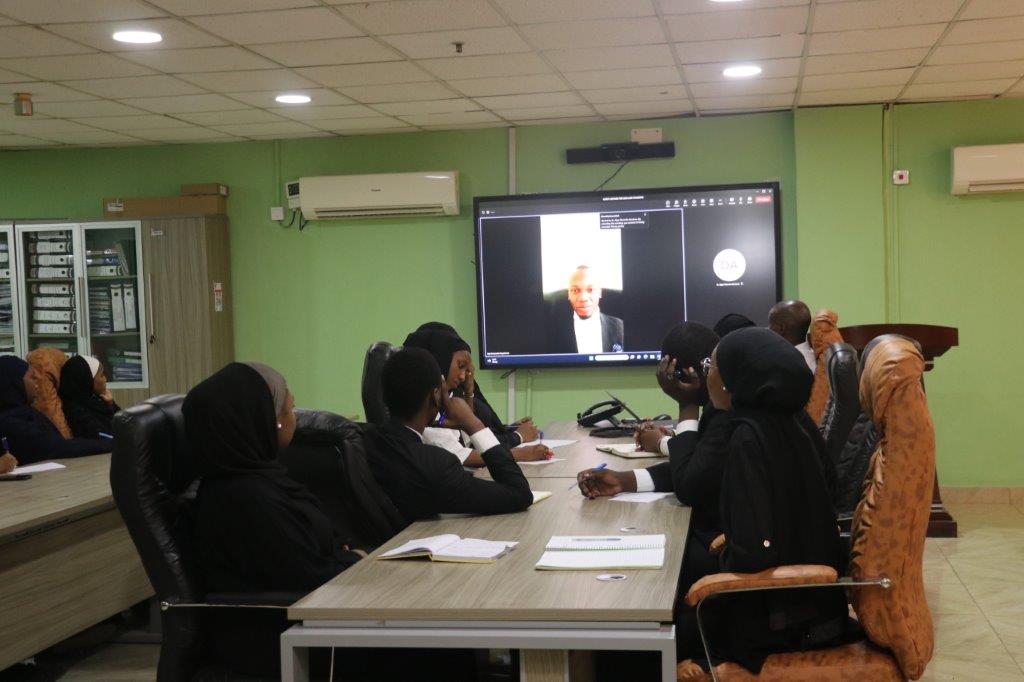
The Faculty of Law has organized a guest lecture for the students of level 100, undertaking the courses titled ‘Introduction to Sociology and Critical Thinking Skills’. This is in line with the aim of Skyline University Nigeria (SUN) to provide the best quality education for its students. In his welcome address, Dr Olumide Abraham Ajayi the facilitator of the courses, said he is beyond elated to have invited the guest speaker to speak on trends in the Discipline of Law as the students kick-start their careers. He added that the opportunity is to unveil the realities in their chosen career such that, they can be able to prepare adequately before graduation. Speaking virtually during the lecture, the guest speaker Seyi Orowosebe Esq., a principal partner at De Lex Consult Abuja, said this invite is timely as the world is swiftly transformed by technology by the day. He said it is quite imperative for students to engage in debates, presentations and group activities while in school to boost their capabilities. He emphasized that the students need to be involved in seminars and competitions, to understand newer trends and fresh perspectives in the law discipline. It is a way to showcase your talent and to utilize the opportunities available for you in school, he said. Seyi Esq. said that students need to go with the trend of social media by utilizing it as a business tool to find clients, build a network and sustain relationships that can be helpful for future engagements. It is a way to start a career early and is most relevant for employers. He also suggested that students should always opt for that internships during vacations to gain practical experience with practitioners in the field. There are numerous Civil Based Organizations (CBOs), Civil Society Organizations (CSOs) and other Non-governmental organizations that offer internship opportunities for starters.  Delivering the vote of thanks, Surayya Abubakar, a level 100 student from the Department of Law, said the students are thankful for the opportunity given to them by the university. They now understand the relevance of building online portfolios and beneficial relationships. Another student, Halima Wachiko, a level 100 student studying Law, said the session was quite interesting and highly enlightening. We hope to be making good use of the lecture that was delivered, she said.  

Making the Best Use of LL.B Years Read More »

Skyline University Nigeria organizes Students’ Professional Skill Development Programme (PSDP) for Spring Semester 2023

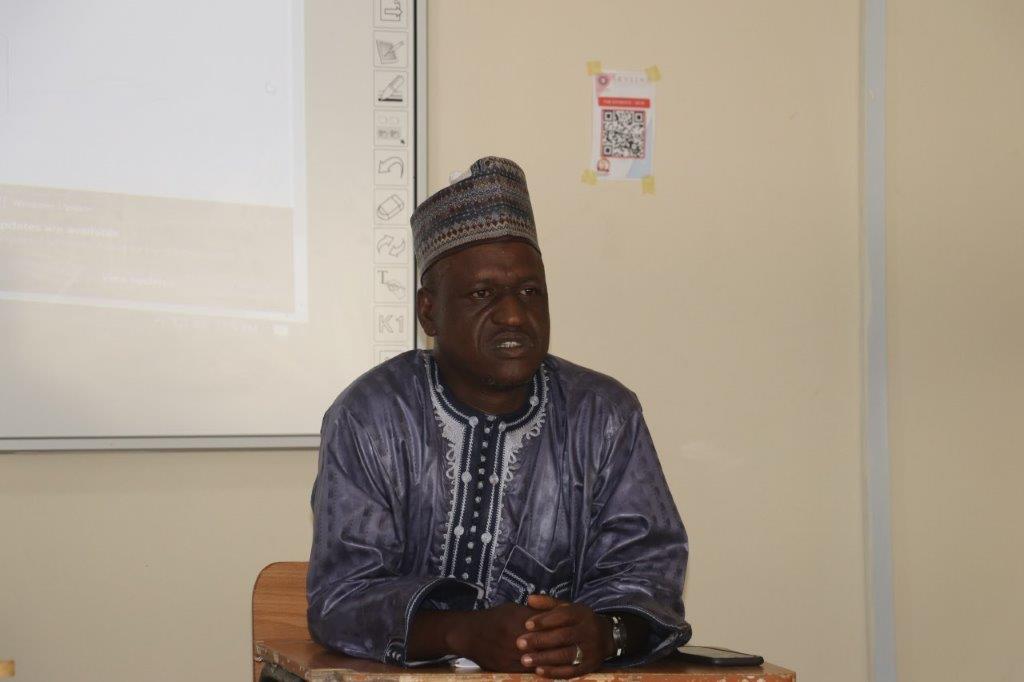
The DEANs of faculties, the Director of Academic Support Service (DASS), and the Student Service Department (SSD) recently organized a professional Skill Development Programme (PSDP) Spring Semester 2023, for students at Skyline University Nigeria (SUN). The Programme is in line with current rapid development and demand for efficient skills at workplaces around the world. The PSDP delivered highly distinctive courses, developed to equip students with the right information and skills to fit into the world of work after graduation. The participants are from levels 1, 2 and 4. Some important issues highlighted by the different sessions include building and maintaining a network, searching for jobs, curriculum vitae writing, basic life etiquette, communication skills, and self-assessment using Strengths, Weaknesses, Opportunities and Threats (SWOT Analysis). According to Ms Sarada Maganti, the Director of Academic Support Service (DASS), the Programme is educative, informative and interestingly interactive to engage students as they set their future goals. PSDP helps students by giving them insights and practical cases outside classroom experiences. Some students who participated in the Programme stated that the session is a rare opportunity to discover the real challenges of future workplaces and how to confront them. In the words of Hafsat Dahiru, a level 200 student from the Department of International Relations, the Programme is highly educative and interactive. Another student from the Department of Mass Communication level 200, Muhsin Muhammad explained that he has been able to discover how to build relationships and networks that can be beneficial to his vision of becoming a professional motion designer. Also, Amina Mukhtar, a final-year student from the Department of Mass Communication stated that the sessions are vital in defining goals, career exploration, and goal setting as she prepares to delve into workplace life after graduation. Faculty members that facilitated the session cut across all the faculties at SUN – Dr A. Senthil Kumar, Dr Ajayi Olumide, Dr Saminu Umar and Dr Vijay Arputha among others.    

Skyline University Nigeria organizes Students’ Professional Skill Development Programme (PSDP) for Spring Semester 2023 Read More »

The Role of Diversity and Inclusion in Organizational Success

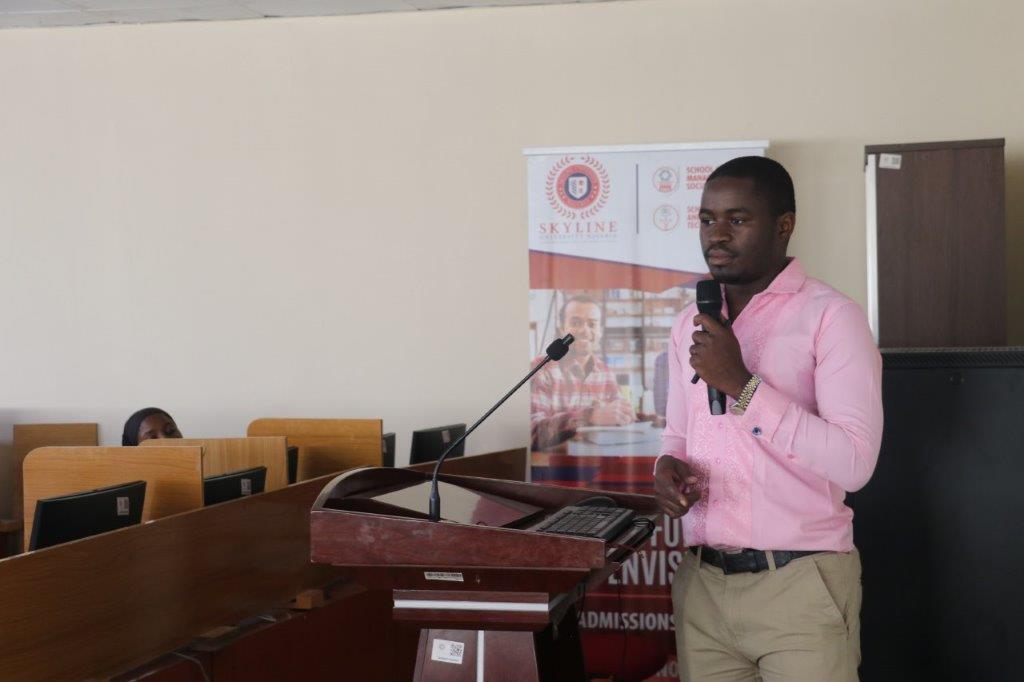
Introduction Diversity and Inclusion have become trendy expressions in the corporate world as of late. Associations are embracing the idea of variety and consideration to upgrade their exhibition, further, develop the workplace, and draw in and hold top ability. Diversity and Inclusion allude to the distinctions among people in a gathering, which can be founded on race, orientation, age, religion, culture, sexual direction, and different aspects. In this essay, we’ll look at how diversity and inclusion contribute to an organization’s success, as well as the advantages of diversity and inclusion, the difficulties that come with putting diversity and inclusion into practice, and the methods that can be used to create a diverse and inclusive workplace. Advantages of Diversity and Inclusion Diversity and Inclusion can give a few advantages to associations that embrace them. The capacity to attract and keep top talent is one of diversity and inclusion’s most significant advantages. Organizations that show a commitment to diversity and inclusion are more likely to attract high-quality candidates who value diversity and want to work in an inclusive environment in today’s competitive job market. Additionally, a workforce with a wide range of backgrounds and experiences can contribute to improved decision-making and problem-solving. Inclusion and diversity can also assist businesses in expanding their customer base. Companies that are aware of and supportive of diversity are better able to meet the requirements of their clients as the population becomes increasingly diverse. Organizations can gain valuable insights into various cultures, languages, and customs by hiring employees from diverse backgrounds. These insights can help them better connect with customers from diverse backgrounds. Diversity and Inclusion can likewise assist associations with further developing their image notoriety. It is possible to boost a company’s brand image and reputation by demonstrating a commitment to diversity and inclusion. This will likely lead to a more positive perception of the company as socially responsible and inclusive. Customer loyalty, improved public relations, and increased sales and revenue are all benefits of a solid brand reputation. Implementing Diversity and Inclusion: Obstacles Diversity and inclusion have numerous advantages, but putting them into practice can be difficult for businesses. Resistance to change is one of the most significant obstacles organizations face. Diversity and inclusion efforts may be met with resistance from employees who are content with the status quo or who are concerned that their jobs may be in jeopardy. Additionally, it may be challenging for some employees to embrace diversity and inclusion due to unconscious biases or prejudices. Another test associations face is an absence of administration purchase. Diversity and inclusion initiatives may not receive the necessary attention, funding, or resources to succeed without leadership support. It’s also possible that leaders who don’t give diversity and inclusion a lot of importance will unintentionally convey the impression that they aren’t important. The absence of diversity in leadership positions is another issue that organizations face. It can be difficult to effectively implement diversity and inclusion initiatives when a particular demographic group holds leadership positions. In addition, leadership that lacks diversity may convey that diversity and inclusion are not a priority for the organization. Strategies for Creating a Workplace with Diversity and Inclusion There are several strategies that organizations can employ to cultivate a workplace that is diverse and inclusive, despite the difficulties they face in implementing diversity and inclusion. Some of the most efficient methods are as follows: Provide training on diversity and inclusion: Diversity and inclusion training for all employees is one of the most efficient methods for promoting diversity and inclusion in the workplace. Macroaggressions, stereotypes, and unconscious bias should all be covered in this training. Employees should also receive the tools and strategies they need to become more aware of their own biases and learn how to overcome them during the training. Employ for Diversity: By actively recruiting and hiring people from a variety of backgrounds, businesses can also encourage diversity and inclusion. Participating in career fairs geared toward diverse candidates, forming partnerships with diverse organizations, and advertising open positions in diverse publications are all examples of this. Establish a Culture of Diversity and Inclusion: By encouraging an atmosphere of respect and inclusion, businesses can also create a diverse and inclusive culture. By drafting and enforcing policies that outlaw discrimination, harassment, and bullying, this can be accomplished. It can likewise include advancing the utilization of comprehensive language, empowering assorted viewpoints and thoughts, and perceiving and commending variety. Diversity and Inclusion in Administration: A diverse leadership team that is representative of the workforce’s diversity is essential for effective diversity and inclusion promotion. This can be accomplished by encouraging diversity in recruitment and succession planning procedures, creating diversity- and inclusion-focused leadership development Programmes, and holding managers accountable for encouraging diversity and inclusion in their teams. Encourage Resource Groups for Employees: Employee resource groups, or ERGs, are groups of workers who come together to support one another, advance diversity and inclusion, and share a common identity or interest. ERGs can be a compelling method for building a feeling of the local area and backing among representatives from different foundations. ERGs can be supported by organizations by providing leadership support, funding, and resources. Observe and Measure Progress: Progress must be regularly measured and monitored if diversity and inclusion initiatives are to be successful. This can be accomplished by regularly communicating progress to stakeholders and employees, setting specific goals and metrics related to diversity and inclusion, and tracking progress over time. In this manner, variety and consideration assume an essential part in hierarchical achievement. Diversity and inclusion can help a lot of things, like bringing in and keeping top talent, expanding the customer base, and improving the brand’s reputation. However, organizations must overcome resistance to change, a lack of leadership buy-in, and a lack of diversity in leadership positions to successfully implement diversity and inclusion. Organizations can provide diversity and inclusion training, actively recruit and hire for diversity, promote a culture of respect and inclusivity, encourage employee resource groups, foster diversity and inclusion in leadership, measure and

The Role of Diversity and Inclusion in Organizational Success Read More »

SUN launches Skyline University International Model of United Nations (SUIMUN)

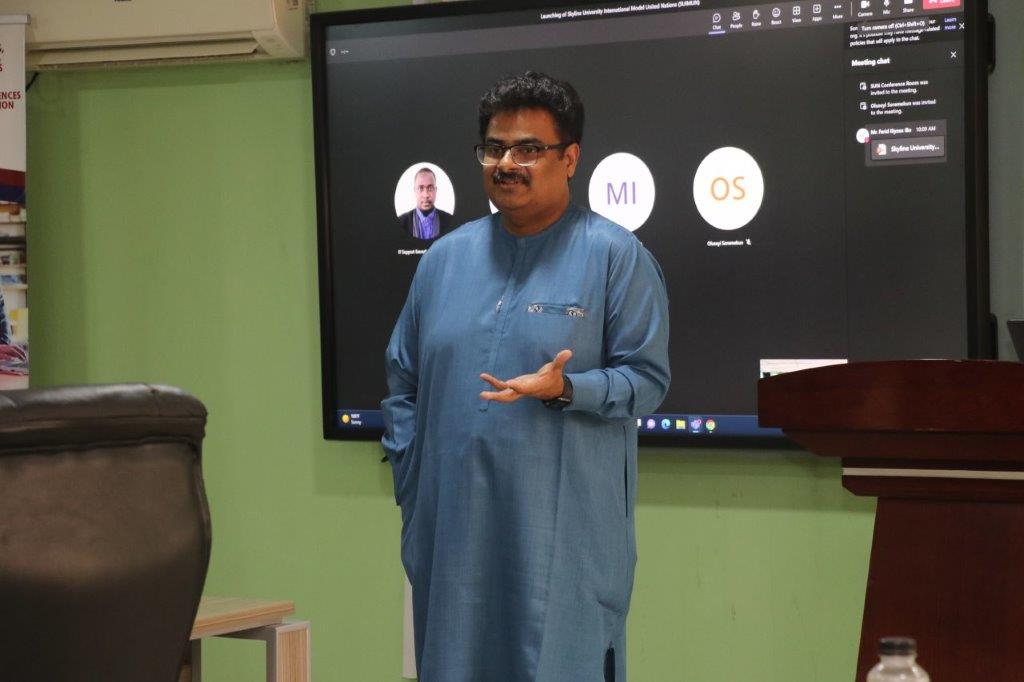
The Department of International Relations at Skyline University Nigeria has launched the Skyline University International Model of United Nations (SUIMUN) for students within the discipline and others studying social science courses. This is in a bid to train the students on the demands of their career path and how they can excel after graduation. In the opening remarks, Prof. Ajith Kumar V.V, the Vice-Chancellor of Skyline University Nigeria expressed his happiness that the model has come to life and it is a result of so much calculated efforts and careful planning. He said the initiative is a great opportunity for students to develop their skills in presentation, critical thinking and public speaking. He added that students should be proud of the moment as one they would cherish throughout their entire lives. While congratulating the Head of the Department of International Relations Mr.Farid Illo, the Vice-Chancellor said the university is proud to attain yet another milestone with his careful coordination and dedication. I know, it was not an easy task for you, Mr Farid, he said. In his virtual speech, Mr Ronald Kayanja, the Director of the United Nations Information Centre (UNIC) in Nigeria started by congratulating SUN for this achievement. He said the work of the United Nations (UN) cuts across our daily activities – economics, agriculture, health, peace and security among others. He urged students to cull from the four reasons why the UN was formed which include global peace and security and enabling harmonious relations among nations. The UN will be happy to support the initiative in the best possible way and he hopes SUIMUN can make important contributions in global discourses, he said. In a similar remark Dr Seyi Soremekun, the National Information Officer of UNIC said, the United Nations is a gigantic pillar in the development of nations as it actively supports countries to attain globally set targets – the Sustainable Development Goals (SDGs). He states that SUIMUN is a great way for students to have a first-hand experience outside class lessons. The HOD on his part said he is beyond elated that the university supported the initiative fully until its realization. He then challenged the students to unveil and upgrade their speaking skills as SUIMUN entails debates, negotiations and decision-making. He hopes the initiative will have an impact that would be felt globally. The Dean of the School of Arts, Management and Social Science (SAMSS) Dr Sudha Mavuri and Director of Academic Support Services (DASS) Sarada Maganti, who were all present at the event advised the students to maximally utilize the opportunity presented to them.      

SUN launches Skyline University International Model of United Nations (SUIMUN) Read More »

Students of Physiotherapy Department at SUN conduct Seminar for the University’s Security Department

As part of their course requirements, students from the Department of Physiotherapy conducted a session for security personnel on the effects of Hypertension/High Blood Pressure. The seminar focused on educating the security personnel on the risks of contracting the disease and how they can be minimized. During her presentation, Aisha Kabir Shehu, a level 200 student from the Department of Physiotherapy highlighted exercise, lack of sleep, pregnancy in women, menopause stage in women and obesity as some of the major causes of High Blood Pressure that are recorded today.   She added that Age and Gender are also determinants of hypertension. As individual ages, he or she is more prone to the risks of increased blood pressure which is a natural sign of growth, she said. On the part of gender, she highlighted that women are more vulnerable to the risks of contracting the disease as they tend to deal with a lot of emotional challenges as homemakers. Other less worrisome causes of high blood pressure include excitement, anxiety and exercise. She said these conditions are normal psychological activities in the human body that increases the work of the brain and heart thereby increasing the heart rate and blood pressure. On his part, Auwal Sadiq Abdullahi, who is also from the same department level 200 said, he learnt a lot about leadership and organization. He expressed his satisfaction as the security personnel were attentive throughout the session and asked many questions regarding the topic discussed. One of the participants Ciroma Gana said that he thoroughly enjoyed the session. He’s more conscious of his health now and has the right information to minimize the risks of contracting HBP. The blood pressure of the security staff were measured at the end of the session.

Students of Physiotherapy Department at SUN conduct Seminar for the University’s Security Department Read More »

Integration of AI Into Library Services

Introduction Various elements of library services, including cataloging, classification, recommendation, reference, discovery, and preservation, can benefit from the use of Artificial Intelligence. AI, for instance, can assist librarians in automating the development and extraction of metadata, improving the standard and consistency of bibliographic records, and spotting and fixing errors and inconsistencies. On the basis of their interests, behavior, and context, AI can assist librarians in making individualized and pertinent recommendations to their clients. Using natural language processing and semantic analysis, AI can help librarians answer difficult and varied requests. Additionally, utilizing data mining and machine learning, AI can assist librarians in identifying fresh and developing subjects, fads, and patterns in the information landscape. Additionally, by employing optical character recognition and picture recognition, AI can assist librarians in digitizing and preserving their holdings. The integration of AI into library services involves using AI technologies to enhance the delivery of library services to patrons. Here are some ways that libraries are integrating AI into their services: Reference and research services: AI-powered chatbots and virtual assistants can help patrons get quick answers to their reference and research questions, freeing up librarians to focus on more complex queries. AI can also be used to help patrons discover new resources, such as by recommending articles and books based on their interests. Reader’s advisory services: AI can be used to create personalized reading lists for patrons based on their reading history and preferences. This can help patrons discover new authors and genres and can increase their engagement with the library. Collection management: AI-powered data analytics can help librarians make data-driven decisions about which resources to acquire and how to allocate resources. AI can also be used to monitor the condition of library materials, such as by detecting damage or signs of wear and tear. Accessibility services: AI can be used to improve the accessibility of library resources, such as by generating closed captions for videos or creating descriptive metadata for images. This can help make library resources more accessible to patrons with disabilities. Outreach and marketing: AI can be used to analyze social media and online conversations to identify potential patrons and to develop targeted marketing campaigns. AI can also be used to analyze patron usage patterns to identify areas where outreach efforts may be needed. Conclusion The integration of AI into library services has the potential to improve the quality and accessibility of library services, while also increasing patron engagement and satisfaction. However, it is important for libraries to carefully consider the ethical and privacy implications of using AI and ensure that these technologies are used responsibly and transparently. You can join the conversation on Facebook @SkylineUniversityNG and on Twitter @SkylineUNigeria

Integration of AI Into Library Services Read More »

Mass Communication Department of SUN hosts a guest lecture on Educational Broadcasting

The Department of Mass Communication of Skyline University Nigeria (SUN), held a guest lecture on the importance of educational broadcasting Programmes for level 400 students. The lecture is part of the innovative methods of teaching incorporated by the university to expose students to career-related challenges and opportunities and learn from the experiences of professionals. The course facilitator Dr Haruna Isma’il stated that resource persons always have a first-hand experience with industry-related opportunities and challenges. Such individuals are very vital in motivating students to prepare adequately for future demands. While delivering his lecture, Mr Balarable Danlami said educational Programmes are significant in bridging the increasing knowledge gap that currently exists. He explained that educational Programmes are supported and sponsored by organizations like World Bank, UNICEF, KALMA and State Governments among other stakeholders to facilitate easy learning at basic levels.   Mr Danlami said it is advisable for students pursuing a career in broadcast journalism to prioritize educational broadcasting to speed up the development process in the country. He noted that educational Programmes have a huge career prospect in reference to the development of the tech industry. Some of the key priorities of educational broadcasting he pointed out include duration, sponsors, choice of language, speed of communication and expertise. They serve as the building blocks of effective message delivery, he added. One of the students who attended the lecture, Khadija Isa Gerawa, said she learnt a lot from the experiences shared by Mr Balarabe. She now understands some of the challenges and impact of educational radio Programmes on the development of communities. In his words, Kamal Danladi, also a student of level 400 said it is indeed a rare opportunity for them to be educated by a professional. He hopes to benefit from such lectures in the future.

Mass Communication Department of SUN hosts a guest lecture on Educational Broadcasting Read More »

Skyline University Nigeria Receives 2nd Batch of NUC Resource Verification Team for Post-Graduate Programme

The management of Skyline University Nigeria (SUN) received the second batch of the National Universities Commission (NUC) team for its ongoing resource verification for post-graduate Programmes. This is in line with the institution’s plan to expand in providing quality education services.  Prof Ajith Kumar V.V., the Vice-Chancellor of Skyline University Nigeria said that commencing post-graduate Programmes is indeed a great milestone every university wishes to attain during its lifetime. He applauded the NUC team for supporting SUN in its journey to realizing its vision.  On his part, Prof Sule Magaji, a professor of Economics from the University of Abuja and the team lead of the resource verification, thanked SUN for its hospitality and kind gestures. He then congratulated the Vice-chancellor for taking the university to greater heights, especially in the aspect of bridging the existing digital divide as the world develops rapidly.  The NUC team toured the university campus while verifying the available resources like lecture halls, conference rooms, laboratories, the library, and e-resources among other facilities. The team assessed the resources available for Master of Science (M.Sc.) and Doctor of Philosophy (P.hD.) courses in Economics, Forensic Accounting, Microbiology, Entrepreneurship, etc. 

Skyline University Nigeria Receives 2nd Batch of NUC Resource Verification Team for Post-Graduate Programme Read More »

The Secrets to Building a Strong and Cohesive Team in An Institution

Introduction Whether in the workplace or organizations, teamwork and unity are essential components of any successful institution. Organizations that cultivate a strong sense of teamwork have the potential to boost productivity, encourage creativity, and cultivate a productive and supportive work environment. In this article, we will investigate the significance of team spirit and unity in an establishment, including the benefits and hindrances of this methodology, and the key to building major areas of strength for a durable group. We will likewise look at how cooperation can be utilized to further develop efficiency and achievement and give reasonable tips to making major areas of strength for collaboration in any foundation. Importance of Team Spirit in an Institution Teamwork is essential to any institution’s success. It fosters collaboration and communication, fosters a positive and supportive work environment, and aids in the development of a sense of identity and belonging. Employees are more likely to feel motivated and engaged in their work when there is strong team spirit, which can result in higher levels of productivity and job satisfaction. Moreover, team spirit assists with building trust and common regard among colleagues. When employees feel upheld and esteemed by their associates, they are bound to cooperate successfully and share their insights and skill. Better decision-making, increased innovation, and more effective problem-solving are all possible outcomes of this. Advantages of Fostering Team Spirit Increased productivity: Employees are more likely to collaborate effectively when there is a strong sense of team spirit, which can result in improved output and productivity. Improved communication: Team Spirit encourages honest and open communication, which can assist in enhancing collaboration and avoiding misunderstandings. Enhanced creativity and innovation: At the point when employees feel upheld and esteemed, they are bound to contribute their thoughts and mastery, which can prompt new and inventive arrangements. Positive work environment: A solid feeling of cooperation can establish a good and strong workplace, which can assist with diminishing pressure and further develop work fulfilment. Nonetheless, there are likewise expected weaknesses in cultivating team spirit and unity. For instance, serious areas of strength for gathering personality can prompt oblivious compliance, where people focus on bunch agreement over free reasoning and navigation. Furthermore, an over-dependence in the group can restrict people’s capacity to work freely, which can be tricky in specific circumstances. Despite these likely dangers, the upsides of cultivating teamwork and unity by and large offset the detriments. Foundations that establish a positive and steady workplace can profit from expanded cooperation, correspondence, and development, prompting further developed efficiency and achievement. The key to building areas of strength for a firm group incorporates characterizing clear objectives and assumptions, advancing open correspondence, empowering joint effort, praising triumphs, and tending to clashes and difficulties in a useful way. By following these standards, institutions can make major areas of strength for team spirit and unity, prompting further developed efficiency and achievement. How Unity Can Improve Productivity and Success in an Institution Team spirit can be a useful asset for further developing efficiency and progress in an organization. The following are a couple of instances of how team spirit can be utilized to accomplish these objectives: Team spirit can be a powerful tool for improving productivity and success in an institution. Here are a few examples of how team spirit can be used to achieve these goals: Encouraging open communication: Team spirit advances transparent correspondence, which can assist with further developing coordinated effort and forestalling errors. Fostering a sense of belonging: At the point when team spirit is solid, people feel like they are important for an option that could be bigger than themselves, which can advance a feeling of having a place and personality. Promoting innovation: A solid feeling of team spirit can urge people to share their thoughts and mastery, which can prompt new and imaginative arrangements. Improving decision-making: At the point when colleagues trust and regard one another, they are bound to cooperate successfully and pursue better choices.  Conclusion Regardless of whether a business, non-profit, or government agency is successful, teamwork and unity are essential components. Individuals experience a sense of belonging and identification with the institution’s goals and objectives when team spirit and unity are strong. In turn, this may improve productivity, communication, and collaboration. There are numerous advantages to institutions that foster a strong sense of teamwork and unity. For instance, a positive and steady workplace can assist with diminishing pressure and further develop work fulfilment, prompting more significant levels of representative commitment and maintenance. Furthermore, a firm group can be more inventive, as people are bound to share their thoughts and skill, prompting new and clever fixes. Trimisiyu Omotayo Lawal is working in Skyline University Nigeria as a Lecturer II in the Department of Economics. He has obtained his MHE Degree from Bayero University Kano, Nigeria in 2019 and a BSc in Economics from Bayero University Kano in 2017. 

The Secrets to Building a Strong and Cohesive Team in An Institution Read More »