Skyline University Nigeria

Goals Settings for Academic Success Strategy

The desired goal for every student of higher learning is to achieve academic success in the university. However, the knowledge, skills, attitudes and values acquired in the learning process for every student, are achieved through the rationale of goal setting. Students must learn the art of setting goals that are specific, measurable, realistic, and time-sensitive as it allows them to elevate their study practice, encourage the advancement of their personal work and better manage their professional lives.  Goal settings are very important to success not only in studying for academic endeavours but in all aspects of life. Goals setting helps you to focus on what you wish to achieve and provides you with direction on the steps towards achieving the outcome. Below are some of the strategies for setting academic goals and changing your academic success story. #1 Make your goals specific: By this, your goals should be clear and realistic. Realistic goals are the once that take less time and have a high chance of being achieved easily, such as understanding a new course, reviewing a new book, losing weight etc. These goals will help you boost confidence and once you realize you can make specific goals, it will give you the motivation to continue to set other slightly more difficult goals for success. #2 Set Target Dates & Times: Having set specific goals, the next important thing is to work out a systematic game plan that can help you get there easily, hence the need for time management and allocating your priority and tasks to pursue what is important to you the most. For example, you can set your semester schedule with corresponding test/exam dates inserted and marked with a deadline. Against this schedule, you can mark your time for one week and show class lectures for the respective week on the following: extracurricular activities, home assignments, preliminary note taking & note making of new lessons for the next day, private tuition (if any), revision and test/exam preparative study. #3 Take the first step When you have implemented the first two strategies, it’s time to take the step to action. It is important not to procrastinate. You don’t need to wait until everything is right. Get started now and make adjustments as you go along. Take that first step. If you wait for the moment when everything is in perfect alignment you will never get started. This first step is always the hardest one to take. Once you have made a start the next step will be slightly easier, and the one after that, easier again. This will encourage you to make it as soon as possible, so you quickly begin the journey towards achieving your goals. #4 Reward yourself When you complete your goal it is important to reward yourself for this achievement. Look back over your accomplishments and enjoy the satisfaction that success brings. This will train the subconscious mind to focus on activities that produce successful results. Once you have enjoyed your reward, set your next goal, making it bigger and more challenging than the last.

Goals Settings for Academic Success Strategy Read More »

Discovery of Human Genetics, A double-edged sword

One of the most important human milestones ever achieved in the history of humanity was the discovery of the Deoxyribonucleic acid (DNA) structure. This was a turning point for scientists and engineers (Geneticists, Biotechnologists, Biochemists, Microbiologists e.t.c.) for far greater yet thrilling manipulations that aim to help humans evolve and transcend the natural phenomena they were known for. For starters, we now have a greater understanding of biological concepts ranging from heredity to protein production. This is why James Watson and Francis Crick, who are credited with making the discovery, will always be obliged to the scientific community. A few decades later, James Watson oversaw the Human Genomic Project (HJP), one of the most complex initiatives ever undertaken by a group of international experts from all corners of the universe. This effort was in charge of mapping every human gene, which implies that every gene purported to code for any character or protein has been discovered, sequenced, and thoroughly investigated (In fact, each gene is now identified by a code, number and location on the human chromosome). Amazing advancements in medicine and health resulted from this, yet some situations may go beyond what is morally acceptable. Although many other developments, such as the successful artificial cloning of an animal and the emergence of gene therapies, have given us a previously unattainable understanding of the genome, it is crucial to maintain control over this quick evolution. This leads to the development of a new area of genetics known as gene knockout technology. For example, during the embryonic development of a fetus, if a gene mapping is done and it is discovered that there is a defective gene (for sickle cell anemia for instance), that particular defective gene can be knocked out, which will automatically do away with the possibility of the child developing sickle cell anemia after differentiation. However, this has never been practiced in humans as it poses a great risk of the destruction of other viable genes. It is worthy of note that there have been several animal studies, especially in rodents and quite a few of them were found to be successful. Utilizing nuclear transfer from a cell derived from the mammary gland, the Roslin Institute in Scotland created Dolly the sheep (the first cloned animal from an adult non sex cells). Her cloning demonstrated that a mature cell from a particular body component may be used to create a cloned organism. The world’s first academic institution, A&M University in Texas, USA, cloned six animals in six years, including cattle, a boer goat, pigs, a deer, a horse, and – most notably – a cat called cc. We have also seen, as a result, the production of biological and nuclear weapons as well as their profoundly damaging effects.  Thus, a balance between what possibly needs to be achieved and what should be undertaken must be struck. Disorders like Down syndrome and Sickle Cell Disease are the direct result of faulty genetics and a cure for them is nearly impossible due to the trillions of cells in your body and the even greater amount of DNA that would need to be altered.  However, a form of genetic engineering known as genomic editing could solve this problem.  The utilization of a tool known as CRISPR-Cas9 has profound implications that could influence us very shortly. Weather scientists are indeed playing god with the way genes are now being manipulated, it is up to us to remedy errors that come with nature, and by that, we will be utilizing the knowledge for the benefit of mankind. References Campbell, Neil; Reece, Jane (2005). Biology. San Francisco: Benjamin Cummings. p. 265. ISBN 0-07-366175-9. McKusick, Victor A.; Lopez, A (30 July 2010). “Earlobe Attachment, Attached vs. Unattached”. Online Mendelian Inheritance in Man. Johns Hopkins University. 128900. Down Syndrome” Mosby’s Dictionary of Medicine, Nursing & Health Professions. Elsevier Health Sciences. Retrieved 27 September 2013. Autosomal Recessive: Cystic Fibrosis, Sickle Cell Anemia, Tay Sachs Disease”. Medical Genetics. Children’s Hospital of Pittsburgh. 3 February 2008. Satyanarayana, U. (2021). Biochemistry, 6e-E-book. Elsevier Health Sciences. Voet, D., & Voet, J. G. (2010). Biochemistry. John Wiley & Sons.   Abdurrazak Muhammad is an Assistant Lecturer in the Department of Biochemistry, Skyline University Nigeria (SUN). He has an M.Sc. in Medical Biochemistry from Universiti Sultan Zainal Abidin (Unisza) Malaysia  You can join the conversation on facebook @SkylineUniversityNG and on twitter @SkylineUNigeria

Discovery of Human Genetics, A double-edged sword Read More »

Skyline University Nigeria Mark 5th Year of Academic Excellence in Grand Style

In celebration of entering its 5th year of academic excellence, Skyline University Nigeria organized a get-together party for its staff. The party was held in the Cilantro Restaurant, Kano on Friday 11th November 2022. The management of the University used the occasion to announce the accreditation of 11 Programmemes by the National Universities Commission (NUC), as well as welcome the staff who joined the University most recently, stating that it will bring about a new level of achievement for the university. While giving the opening remark, the Registrar of Skyline University Nigeria, Mr Haruna Aliyu appreciated all the staff present, calling them the backbone of the university. He said the achievements of the university were a result of the collective efforts of the members who make up the staff of the university. “According to him, commitment and efficient management are the reasons why the University is going stronger each year. He recounted the 4th year celebration and the successes recorded in the academic year 2021/2022 and reemphasized the need for continuity, stating that the 5th year celebration is a continuation of that effort. He added that the students are now being mobilized for the National Youth Service Corp (NYSC), thanks to the contribution of the members of the university that made all these possible. In his remarks at the occasion, the Vice-Chancellor, Professor Ajith Kumar V.V pointed out that the staffs’ credibility and integrity are the reasons the University has developed so much momentum running Programmemes since 2018, when it was established. He advised participants, particularly the new staff who joined recently that it is vital for staff of the university to meet and have a good time. He encouraged them to be good ambassadors of the University wherever they find themselves and hold forth to the core values of the institution.    

Skyline University Nigeria Mark 5th Year of Academic Excellence in Grand Style Read More »

Skyline University Nigeria Launches 2nd Edition of Newsline Magazine

With the launch of its first Newsline magazine a few months away, Skyline University Nigeria launches the second edition of its Newsline magazine. Just like the first edition, the Newsline magazine was rolled out in a styled fashion that fitted perfectly with the long-term vision of the university. The launch of the Newsline magazine is part of the university’s 5th-year celebration of academic excellence, repositioned to share its evolving history and achievement globally. Amongst the expected outcomes of the launch of the Newsline magazine, is that the Newsline will continue to become a platform for signposting the achievements of the university annually. The content of the 2nd edition of Newsline magazine covers several Programmemes and certifications, MoU signing, Entrepreneurship workshops, Branding of SUN, campus life, CEO Lecture series, and Hostel life, amongst others. It also focuses on highlighting the positive aspects of the University’s services by sharing press mentions, industry visits, student and staff articles, Vision and mission statements, internships and placements, and poems. For a second edition, the magazine covers the recent NUC’s approval on Law, School of Basic Medical Sciences covering Doctor of Physiotherapy, B.NSc. Nursing Sciences and Bachelor in Medical Laboratory Science. it also showcased the newly approved Programmemes in the School of Science and Information Sciences, covering B.Sc. Cyber Security and B.Sc. Data Science. Describing the launch of the Newsline magazine as a laudable initiative, the Vice-Chancellor of Skyline University Nigeria, Professor Ajith Kumar V.V stated expressed his delight to be a part of the second edition of the SUN magazine launch. He acknowledged the support and dedication of the Newsline committee for the execution of the Newsline magazine.

Skyline University Nigeria Launches 2nd Edition of Newsline Magazine Read More »

SUN Students Paid Technical Visit to the Technology Incubation Center, Kano

In a bid to bridge the gap between theoretical learning and practical exposure as well as learn something outside the confines of the university campus, students of Skyline University Nigeria paid a technical visit to the Technology incubation centre, Kano. The visit instils immense happiness and excitement amongst the students because of the opportunity to learn about areas of their career interest and a great source to gain practical knowledge. It also acted as a learning experience and a great way to gain as much practical and technical knowledge on their areas of interest. Technical visits at Skyline University Nigeria, are a complete package which aims at widening the knowledge of students. It is not just an outing organised by the University for fun. These visits are related to the university’s curriculum and are educational, so students get to learn things which are beneficial to them at graduation. The students observe and learned how theatrical concepts are put into action, thereby aiding their practical learning, while being exposed to the real working environment and shown how things are done in an organisation. From the details about the companies to the targets they achieve, everything is covered in these visits.

SUN Students Paid Technical Visit to the Technology Incubation Center, Kano Read More »

How High-Value-Added Industrial Chemicals can be Derived from Biomass Wastes

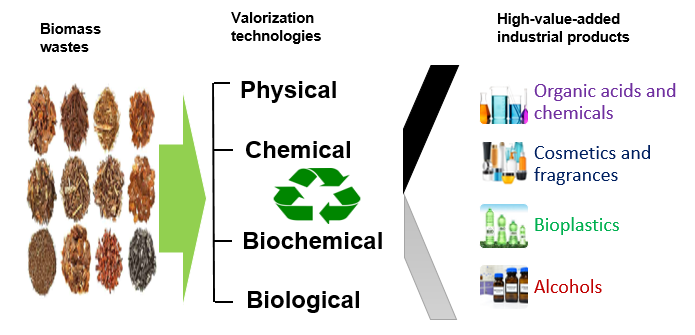
Graphical abstract Introduction The increasing amount of biomass wastes which has led to serious environmental issues, coupled with unstable petroleum resources have prompted the need to explore the conversion of biomass wastes into value-added chemicals. About 100 billion metric tons of biomass waste material are produced yearly all over the world (Cho et al., 2020). Biomass waste includes a diverse range of materials such as municipal solid waste (MSW), forestry residues, agricultural wastes, fruit processing waste, and waste from other food processing industries (Zhou and Wang, 2020). Majority of these wastes are left in the field to decompose naturally, discarded in landfill space, or burned in the open for cooking, drying, and charcoal production, which not only has low efficiency but also causes significant environmental pollution such as greenhouse gas emissions and air quality deterioration. Hence, establishing an environmentally friendly and efficient strategy for utilizing and managing different kinds of biomass waste by converting them into high value industrial products for various medical, industrial and environmental applications is paramount. Biomass waste is expected to generate 20% of transportation fuels and 25% of industrial chemicals by 2030 (Clauser et al., 2021). Although, several approach such as physical, chemical, and biological techniques towards valorization of biomass waste have been explored and shown successful degradation over the year, they still have their shortcomings. Biological approach particularly enzymatic deconstruction has the potential to replace the current techniques adopted and generate higher yields, greater selectivity, and reduced costs, as well as the production of fewer inhibitory byproducts (Cho et al., 2020). This mini review summarizes the different types of biomass waste, various technologies employ in their valorization, and the types of high-value-added industrial chemicals derived from the wastes. Chemical constituents of biomass waste Biomass wastes can emanate from variety of sources namely; municipal pruning, agriculture and forestry, food and fruit processing industries, wood industries etc. These biomass wastes comprise of intricate matrix of three main constituents namely cellulose, hemicellulose and lignin, which must be broken-down to acceptable product yields (Clauser et al., 2021). Other components associated with biomass are lignin, collagen, gelatin, keratin, chitin, xylan, glucan etc. Cellulose is the most ubiquitous polymer, accounting for 40-50% of all plant and woody biomass by weight (Zhou and Wang, 2020). It is the biomass skeleton, and the protective layer is lignin. To form a lignin-carbohydrate complex structure, they are linked together by covalent bonds and non-covalent hydrogen bonds (Yin et al., 2021). The lignocellulosic matrix is formed by the strong bonding of these three components. As a result of the physical and chemical complexity of the constituents, efficient measures must be taken to fully expose the cellulose structure, increase cellulose effective contact with reactants, and enhance the conversion rate of biomass (Zhang et al., 2020). Hemicellulose is hydrogen-bonded to cellulose and covalently linked to lignin. Lignin is the main structural compound in the formation of plant cell walls, particularly in wood and bark due to its aromatic structure, which increases strength and rigidity. Lignin may have varying physicochemical properties depending on the type of biomass and extraction technique (Zhou and Wang, 2020). It acts as a protective shield for cellulose microfibrils, causing cellulose hydrolysis to glucose difficult. Furthermore, the lignin-hemicellulose link inhibits the deconstruction of cellulose microfibrils to pentose and hexose sugars. As a result, lignocellulosic biomass (LCB) requires optimal pretreatment to remove the highest lignin content and degrade the cellulose into simple sugars via saccharification so that fermentative microorganisms can produce the most amount of targeted industrial chemicals (Clauser et al., 2021). Valorization of biomass waste into high-value-added industrial chemicals The concept of bio-converting waste resources into more valuable industrial chemicals and/or products is known as waste valorization (Gumisiriza et al., 2017). The various aforementioned waste materials can be converted into high-value-added industrial chemicals using different green processing technologies with the aim of reducing wastes deposited in the environment (Arancon et al., 2017). Several processing technologies such as physical (e.g. mechanical comminution, irradiation, microwave, ultrasonication, hydrothermal etc.), chemical (e.g. acid and alkaline hydrolysis, ozonolysis, ionic liquids, deep eutectic solvents etc.), physiochemical (e.g. steam explosion, supercritical fluid, wet oxidation etc.), and biological (use of enzymes and microbes) for biomass waste conversion into fine chemicals have previously and recently been explored. However, little or no success has been accomplished due to the recalcitrant nature of lignin posed by its tight cross-link with cellulose and hemicellulose (Ning et al., 2021). Therefore, to compensate for the problems accustomed with a single technique of biomass valorization, researchers now combine two or more pretreatment technologies with fewer shortcomings (Bhatia et al., 2021; Ning et al., 2021). This will also enhance biomass waste deconstruction, especially by focusing more on recent technologies that support lignin removal. The various high-value industrial chemicals that can be derived from waste biomass are broadly categorized into three groups namely; sugar and sugar alcohol (e.g. glucose, arabinose, mannitol etc.); biodiesel and esters; bio-oil, bio-char, and synthetic gas, which produce downstream chemicals like alcohols, polyols, carboxylic acids, organic acids, polymers, furan, bio-gas, liquid alkanes, and amino acids. All these chemicals show diverse industrial applications especially in the field of agrochemicals, pharmaceuticals, biomedicals, food, fragrances, cosmetics, building, aerospace etc. (Ning et al., 2021). Conclusion The present mini-review highlights the significance and potential of lignocellulosic waste biomass for production of high-value industrial chemicals. The valorization of biomass wastes into high-value-added chemicals has drawn attention lately because of the projected decline in availability of petroleum resources (utilized for production of these industrial products via the conventional technology), as well as the unceasing increase in the amount of biomass waste generated in the environment. The high-value chemicals generated from the biomass waste have promising potential applications in pharmaceutical, agrochemical, food, and cosmetic industries, thus they are worthy of recovery. However, the currently available waste valorization technologies face various challenges ranging from cost and energy ineffectiveness to process inefficiency and environmental unfriendliness. Hence, further research on improving the existing biomass conversion technologies to become a green sustainable approach for valorization of our ever increasing
How High-Value-Added Industrial Chemicals can be Derived from Biomass Wastes Read More »

Artificial Intelligence

Artificial Intelligence (AI), the ability of a virtual PC or computer-manages robotic to carry out duties generally associated with human beings. The term is regularly carried out to the undertaking of growing structures endowed with the intellectual tactics characteristic of human beings, along with the capacity to cause, discover which means, generalize, or analyze from previous experiences. How does AI work? As the hype around AI has multiplied, providers had been scrambling to sell how their products and services use AI. Frequently what they refer to as AI is genuinely one factor of AI, such as device mastering. AI calls for a basis of specialized hardware and software Programme for writing and training machine learning algorithms. No one Programmeming language is synonymous with AI, but a few, consisting of Python, R and Java, are famous. In well known, AI structures work through ingesting huge amounts of labeled training dataset, analyzing the dataset for correlations and finding the new patterns, and the use of these styles to make predictions about future. In this manner, a chatbot this is fed examples of text chats can learn to produce sensible exchanges with humans, or an photograph recognition device can learn how to discover and describe objects in pix by way of reviewing hundreds of thousands of examples. AI Programmeming makes a specialty of three cognitive abilities: learning, reasoning and Self-correction. Artificial neural networks and deep learning knowledge of AI technologies are quickly evolving, commonly due to the fact AI procedures large quantities of data an awful lot faster and makes future predictions extra appropriately than humanly feasible. while the large quantity of data being created on a daily basis could bury a human researcher, AI Programmes that use ML algorithms can take that information and speedy turn it into actionable information. AI is costly due to use of huge data sets. Advantages Good for handling huge data sets. Can get future predictions. Time consuming. Accurate results can get. Disadvantages Experts needed to work with AI. References https://www.oracle.com/in/artificial-intelligence/what-is-ai/ https://www.britannica.com/technology/artificial-intelligence https://www.techtarget.com/searchenterpriseai/definition/AI-Artificial-Intelligence https://www.hpe.com/hpe/what_is_ai   Dr. M. Ashok Kumar is a Lecturer I in the Department of Computer Science, Skyline University Nigeria. He has a Ph.D. in Computer Science from Periyar University, India. You can join the conversation on facebook @SkylineUniversityNG and on twitter @SkylineUNigeria

Artificial Intelligence Read More »

Skyline University Nigeria Commemorates Breast Cancer Awareness Month

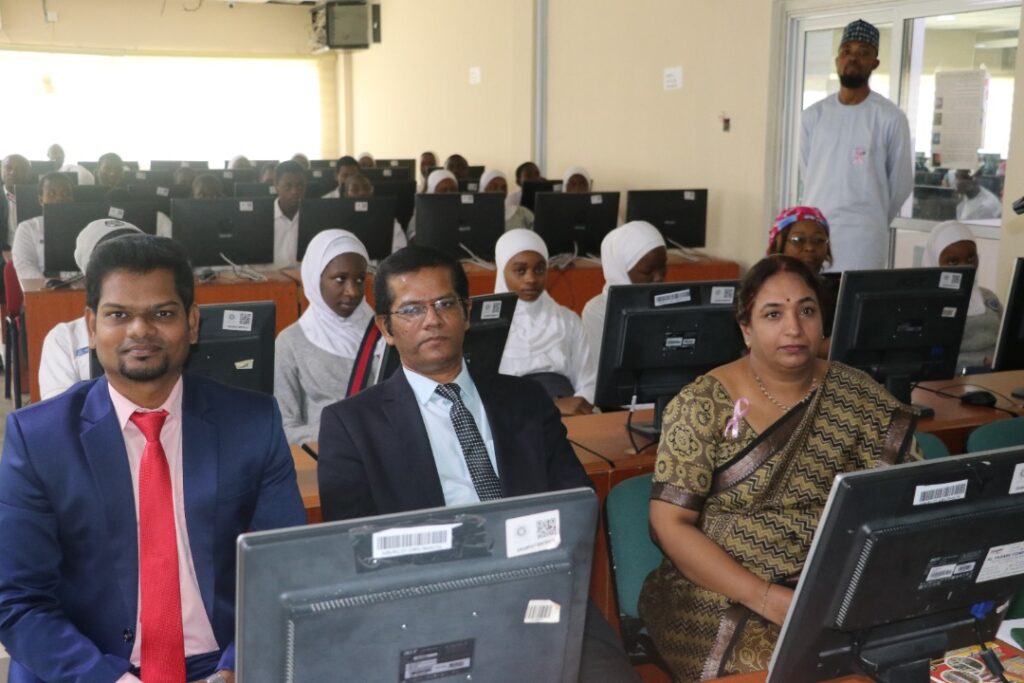
In commemoration of Breast cancer awareness month in October, Skyline University Nigeria campaigned to raise awareness to ensure every woman has access to information and support on the impact of breast cancer. The event began with students of Microbiology making effort to raise awareness amongst the staff and students of the University by putting pink ribbons on people’s shirts. The pink ribbon is an international symbol of breast cancer awareness, expressing moral support for women with breast cancer. The event made a positive impact on the recognition and awareness of breast cancer, a threatening disease amongst females and a leading cause of mortality amongst the female population. The event was concluded with a webinar with the theme, “close the care gap”, Featuring Guest Lecturer, Dr Ashok Singh, a Radiotherapist of the Mahatma Gandhi Institute of Medical Sciences (GIMS), India. Dr. spoke on the high prevalence of breast cancer in the world, self-examination and the importance of early detection of breast cancer. He unveiled the preventive measures in the developing stage of cancer in the human body. “Comprehensively, cancer control involves prevention, early detection, diagnosis and treatment”. He added that raising the awareness of the general public on the breast cancer problem as well as advocating for appropriate policies and Programmemes are key strategies for cancer control. Earlier in his opening remark, the workshop conveyor and Dean of School of Science and Information Technology, Dr. A. Senthil Kumar, expressed hope that through this workshop, participants would live by what they had learnt.

Skyline University Nigeria Commemorates Breast Cancer Awareness Month Read More »

Skyline University Nigeria Hosts Yandutse College in ‘Changing Gear’

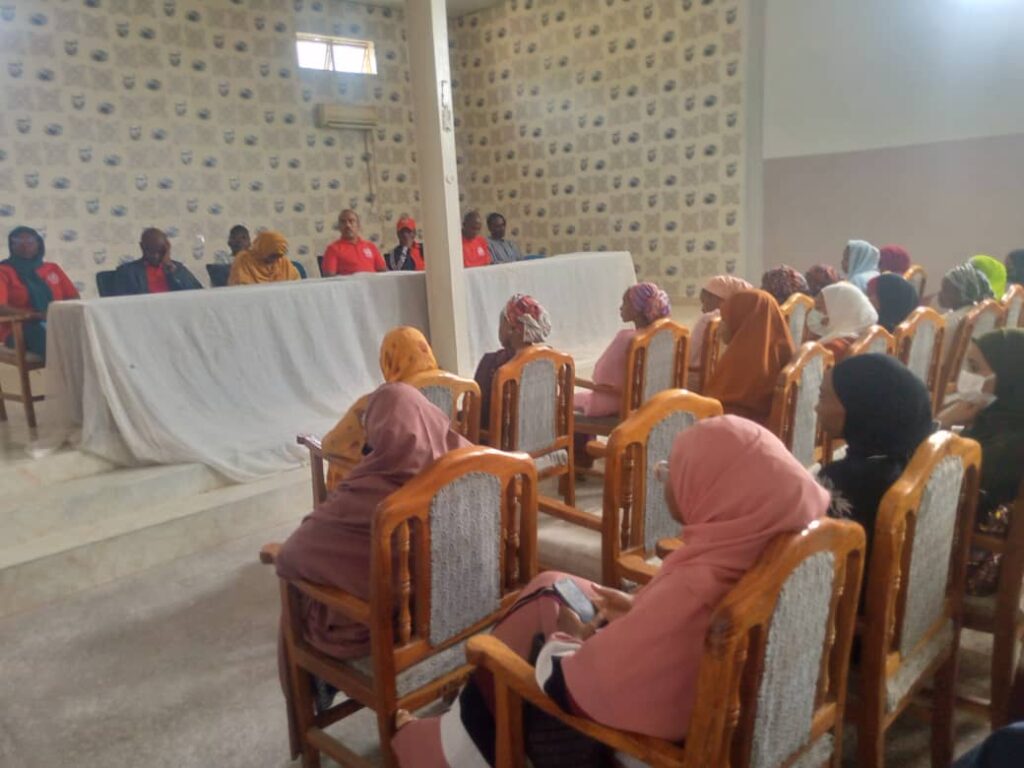
Skyline University Nigeria recently organized the “Changing the Gear” workshop as part of its goal of preparing students for the technology-driven world.Dr Ashok Kumar, of the Department of Computer Science, inspired students with his speech on the theme, “The future is in your hands” and how to make the most of the opportunities presented by the world.By making campus visits, and partaking in the changing gear Programmeme, students of Yandutse College get a feel for the university environment, the buildings, the layout, the students and everything that make up the Skyline community.See the event in photos.        

Skyline University Nigeria Hosts Yandutse College in ‘Changing Gear’ Read More »

Skyline University Nigeria Commence 2022 Cybersecurity Awareness Week

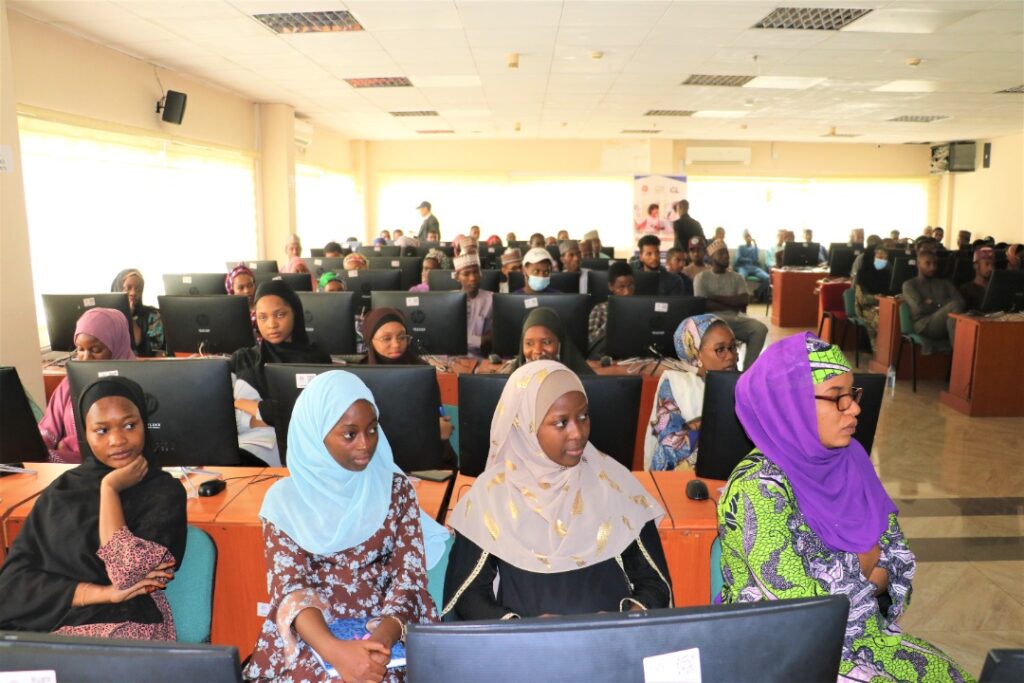
Since 2018, Skyline University Nigeria has been celebrating and hosting cyber security awareness week, helping students and individuals alike protect themselves online as threats to technology and confidential data become more commonplace. The computer science and software engineering students of the University lead a collaborative effort between students and staff to raise cybersecurity awareness nationally and internationally. This year’s theme, “Cyber Security Needs, Essentials & Awareness in Nigeria” demonstrates that while cybersecurity may seem like a complex subject, ultimately, it’s all about people, providing information and resources to help educate students and staff and the public that all individuals and organizations must make smart decisions whether on the job, at home or at school to stay safe online. The event running from 24th to 28th October 2022 features informative and fun activities, with respect to the wide range of cyber security potentials, geared to benefit students of not only the Information Science department but other departments of the university and staff also, who would have the chance to learn how cyber security can help keep the Nigerian people safe. Kicking off with the theme of the event on Monday 24th October 2022, The cyber security week was opened with a webinar from a Guest lecturer, Ahmad Hashim, an E-learning consultant at Edugrow Learning and the CEO of PenTest CyberSecurity Institute, Kano. Then, followed by technical quizzes, webinars, competitions and webinars amongst the computer science and software engineering students of the University. The event demonstrated that individuals can have basic cyber hygiene practices, update their software, think before they click any link online, have good strong passwords or a password keeper, and enable multi-factor authentication on all their sensitive accounts. It was indeed a fun week for the Computer Science and Software Security Students.

Skyline University Nigeria Commence 2022 Cybersecurity Awareness Week Read More »